
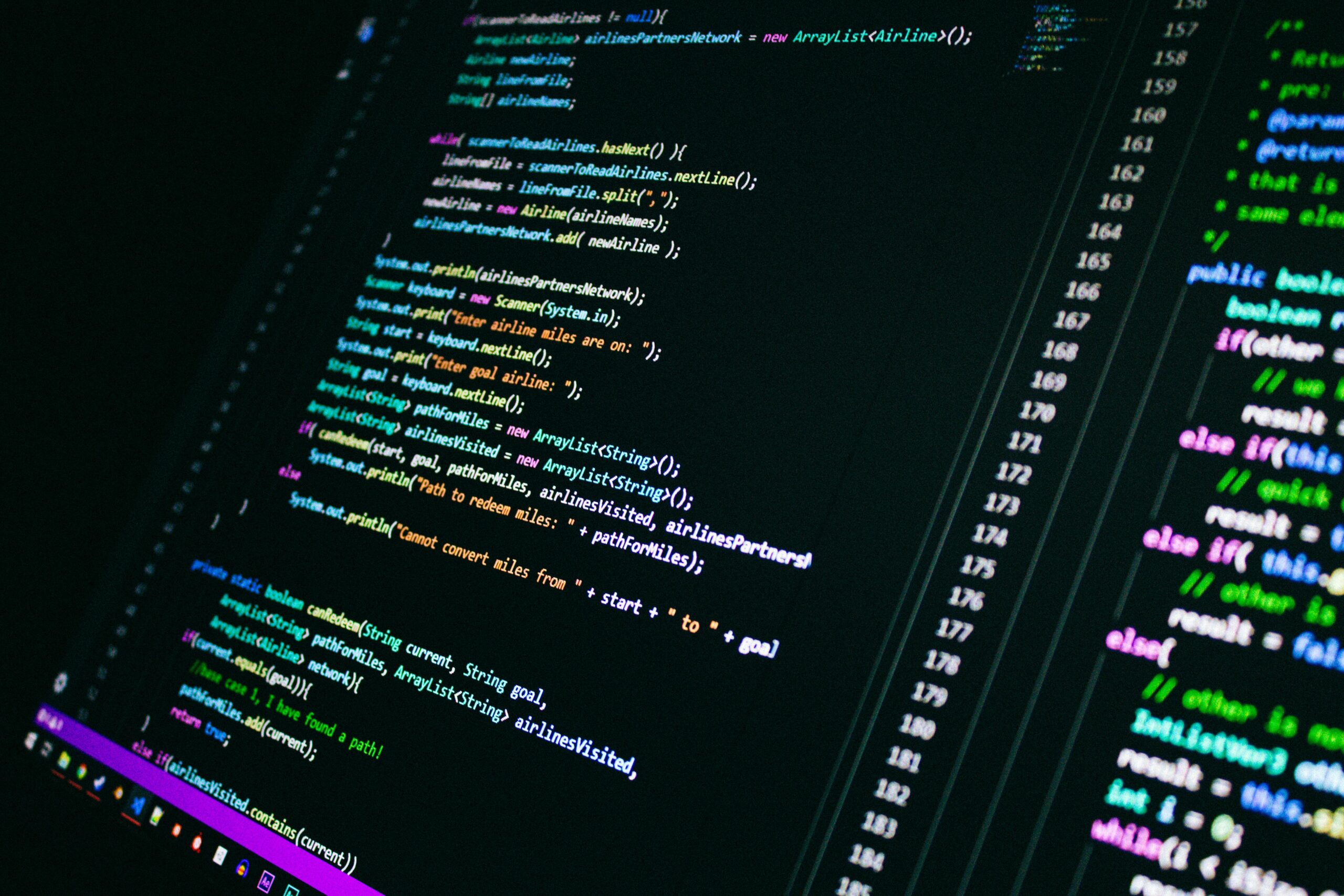
When you interact with a website—logging into an account, shopping online, or streaming a video—the real magic happens behind the scenes on the server. That magic is powered by server-side languages. These are the engines that handle data, process requests, and deliver personalized content back to the userʼs screen.
Why They Matter
They connect the front-end (what users see) with the database (where information lives).
They ensure security, authentication, and smooth business logic.
They make applications dynamic instead of just static pages.
Popular Server-Side Languages
Node.js JavaScript): Known for speed and scalability, perfect for real-time apps like chats or gaming.
PHP A classic and still dominant, powering platforms like WordPress.
Python: Favored for clean syntax and strong frameworks like Django and Flask.
Ruby (on Rails): Elegant and developer-friendly for rapid application development.
Java & C#: Enterprise giants loved for stability, performance, and security.
How They Shape User Experience
While users never directly see these languages, their impact is everywhere. From personalized recommendations on e-commerce sites to secure banking portals, server-side code ensures apps react intelligently to user actions. A poorly optimized backend results in slow load times and frustration, but a robust one creates seamless, invisible efficiency.
Future of Server-Side Development
With cloud computing, serverless architecture, and AI integration, server-side languages are evolving faster than ever. The future points to more lightweight, secure, and scalable solutions that adapt to millions of users in real time.